

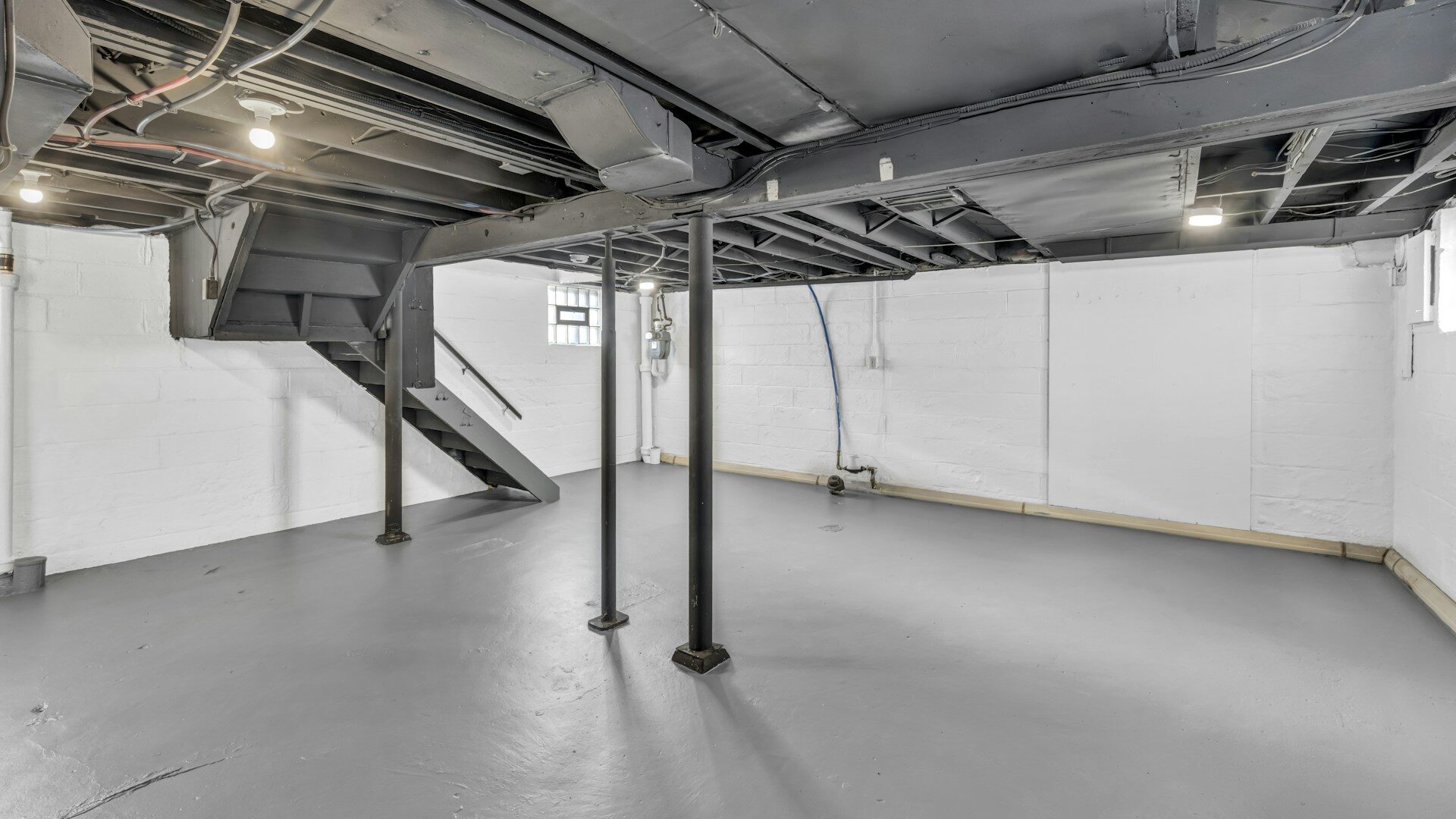
Basements make popular home gyms: they are out of the way, often quiet and usually have solid concrete floors. But basements also tend to be damp, with little airflow and cool walls where condensation forms. That combination is hard on steel, rubber and upholstery. Basement gym maintenance needs a slightly different routine from other rooms. The good news is that the extra steps are quick, and most of them are about controlling moisture before it causes damage.
The Main Basement Problems
| Problem | What It Damages | Early Signs |
|---|---|---|
| High humidity | Bars, plates, rack bolts | Orange spots, rough knurling |
| Condensation on walls and floor | Mats, items touching walls | Damp spots under mats |
| Poor airflow | Upholstery, mats, air quality | Musty smell, mildew |
| Occasional water leaks | Electronics, flooring | Stains, pooling after storms |
Control Humidity First
A dehumidifier is the most important tool in a basement gym. Aim to keep relative humidity around 40 to 50 percent. A cheap digital hygrometer tells you where you stand. Empty the tank or connect a drain hose so it runs continuously. Running a fan during and after workouts helps move moist air.
Protect Steel From Rust
- Wipe bars and plates after every session to remove sweat.
- Brush barbell knurling weekly and apply a light oil to bare steel.
- Keep plates on a rack, not stacked on the floor.
- Check rack bolts monthly for rust and tightness, and replace any that look pitted.
Our guides on barbell cleaning mistakes and kettlebell rust prevention explain the details.
Mats, Upholstery and Odors
Lift rubber mats every month or two and let the concrete underneath dry. Moisture trapped under mats causes musty smells and mildew. Wipe bench upholstery with a mild cleaner and let it air dry. Keep sweaty towels and clothes out of the basement. Our guide on bench upholstery care helps keep pads in good shape.
Electronics and Cardio Machines
Raise treadmills and bikes off the floor slightly with equipment mats so they stay above minor water. Keep power cords off the floor and plug machines into surge protectors. Check consoles for moisture after heavy storms.
A Simple Basement Routine
- After each workout: wipe steel and upholstery, run a fan for 15 minutes.
- Weekly: check the dehumidifier and hygrometer, brush knurling.
- Monthly: lift mats, inspect bolts and look for rust spots.
- After storms: check corners and floor drains for water.
For the full year, see our yearly maintenance checklist and the tools to keep on hand.
Final Thoughts
Basement gym maintenance centers on moisture. Run a dehumidifier, keep air moving, wipe and oil steel, lift mats to dry the floor and watch for leaks after storms. With that routine, a basement gym stays fresh and rust-free for years. Find more care tips in our gear care guides.
FAQs
Do I need a dehumidifier in a basement gym?
In most basements, yes. It is the best defense against rust and mildew.
What humidity is best for a home gym?
About 40 to 50 percent. Use a hygrometer to check.
Why does my basement gym smell musty?
Usually trapped moisture under mats or poor airflow. Dry the floor and add a fan.






Write Your Review
No reviews yet. Be the first to share your experience!