

A home gym is never really finished. The setup that felt perfect on day one can start to hold you back once you get stronger, train more often or change your goals. The tricky part is knowing the difference between a real need and a shopping itch.
These are the signs that point to a genuine upgrade, plus a simple way to decide what to replace first.
Sign 1: You Have Outgrown Your Weights
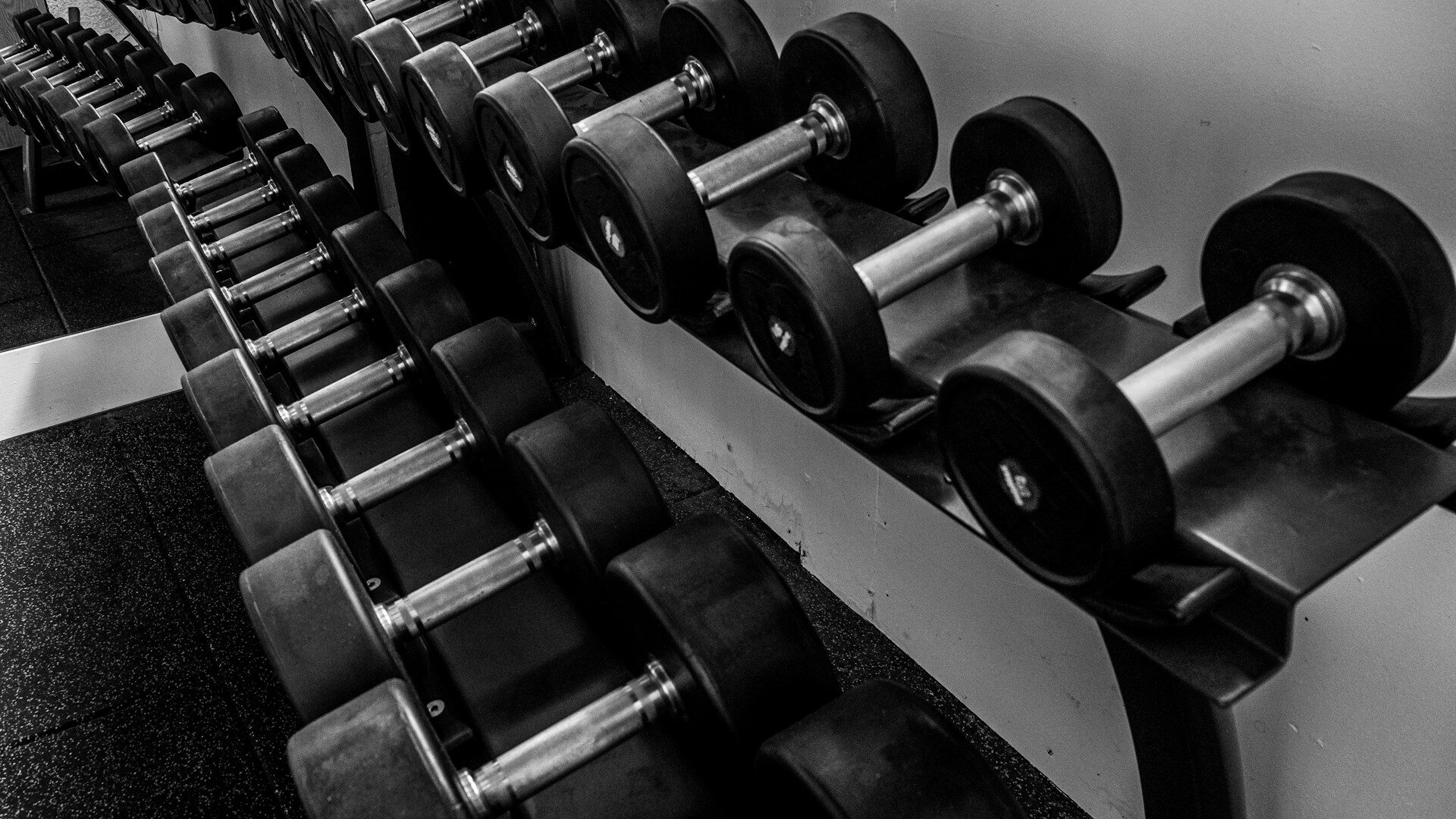
This is the most common reason to upgrade. If your adjustable dumbbells top out before your sets feel challenging, or you are doing 25 reps of an exercise just to feel it, the equipment is now the limit, not your effort. You can stretch light weights with slower tempos and pauses for a while, but eventually you need more load to keep building strength.
Sign 2: Your Equipment Feels Unsafe
Safety beats every other reason. Upgrade or replace equipment when you notice any of these:
- A bench that wobbles or shifts under load
- Frayed cables or cracked pulleys on a cable machine
- A rack without safety arms now that you lift heavy alone
- A treadmill belt that slips or a motor that stalls
- Bent barbells or collars that no longer grip
Some of these can be fixed with parts, so check the manufacturer first. If the frame itself is the problem, replacement is the safer choice.
Sign 3: Your Goals Have Changed
Maybe you started with cardio for weight loss and now want to build muscle, or you lifted for years and now need low-impact conditioning for your joints. A gym built for one goal often has gaps for another. List what your new program needs each week, then compare it with what you own. The gaps show you what to add.
Sign 4: Setup Time Is Killing Your Workouts
If you spend ten minutes moving furniture, rebuilding a bench or swapping plates between every exercise, you will train less often. Time friction is a real cost. An upgrade that cuts setup, such as wall storage, a rack with attachments or quick-change dumbbells, can do more for your consistency than heavier weights.
How to Decide What to Upgrade First
When several things need attention, use this order:
| Priority | Upgrade Type | Example |
|---|---|---|
| 1 | Safety | Safety arms, a stable bench, new cables |
| 2 | Training limit | Heavier dumbbells or more plates |
| 3 | Daily friction | Storage, faster-change equipment |
| 4 | Comfort | Better flooring, a fan, lighting |
| 5 | Nice to have | Specialty bars, extra machines |
Before buying, set a clear spending limit. Our guide on setting a home gym budget based on your fitness goals walks through the numbers.
Final Thoughts
Upgrade when your equipment limits your progress, puts you at risk or makes training a chore. Fix safety first, then load, then convenience. A planned upgrade every year or two keeps your gym growing with you instead of collecting dust. For more help choosing gear, browse our buying guides.
FAQs
How often should I upgrade my home gym?
Only when you hit a real limit. Many lifters make one meaningful upgrade every year or two as they get stronger.
Should I sell my old equipment when I upgrade?
Often yes. Selling lighter weights or older machines can cover part of the cost of the new gear and frees up space.
What is the best first upgrade for a basic setup?
For most people, heavier adjustable dumbbells or a sturdy adjustable bench. Both expand what you can train right away.
Is it better to repair or replace worn equipment?
Repair worn parts, replace damaged frames. Cables, pads and belts are usually fixable, while cracked or bent frames are not worth the risk.



Write Your Review
No reviews yet. Be the first to share your experience!