
The deadlift is the most productive lift you can do and the one most people get wrong in the same three ways. Training alone in a gym home makes that trickier, since there’s nobody to tell you your hips shot up first or your back rounded on rep six. The upside is that deadlifts need no rack and no spotter, so with a bar, some plates, and an honest camera angle, you can learn this properly at home.
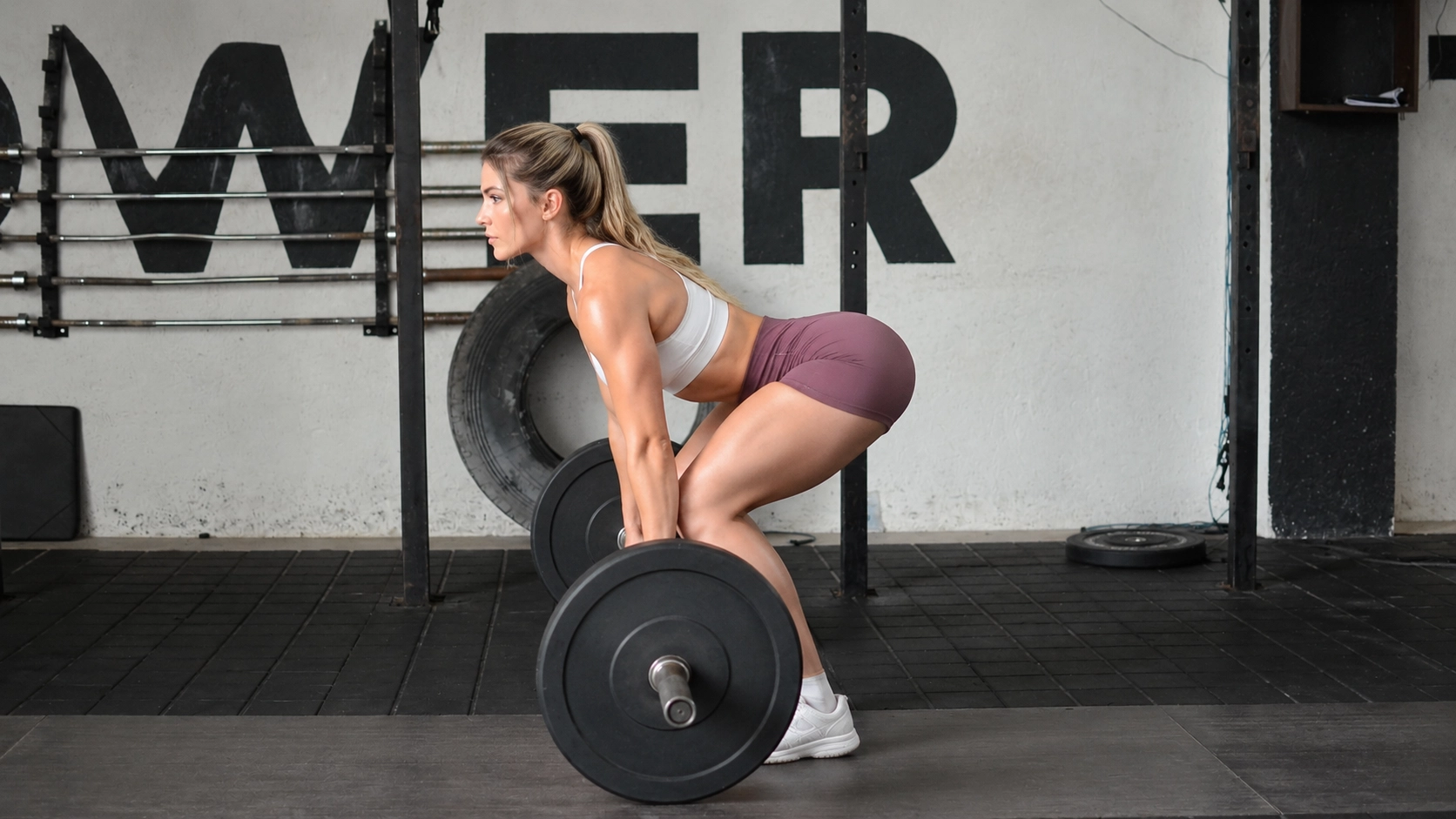
Set Up Before You Touch the Bar
Most deadlift problems are setup problems that reveal themselves halfway up. Get these four things right and the lift largely does itself.
Stand with feet hip-width apart, roughly the width you’d use to jump. The bar should sit over your midfoot, close enough that it nearly touches your shins. If you look down and see your toes in front of the bar, you’re too far back.
Hinge at the hips and bend your knees to reach the bar, rather than squatting down to it. Grip just outside your legs. Then, before pulling, take the slack out: pull up gently until you feel the bar make contact with the plates and your body goes tight. That quiet click means you’re connected to the weight.
Finally, set your back. Chest up, shoulders pulled down and back, ribs stacked over hips. Your spine should be neutral, not rounded and not hyperextended.
The Movement, Step by Step
- Brace hard: Take a big breath into your belly and brace like you’re about to be pushed. Hold it for the whole rep.
- Push the floor away: Think about pressing your feet through the ground rather than pulling the bar up.
- Keep the bar close: It should drag lightly up your shins and thighs. Any gap means the weight is pulling you forward.
- Hips and shoulders rise together: If your hips shoot up first, the weight is too heavy or your brace failed.
- Lock out standing tall: Squeeze the glutes, stand upright. Do not lean back or shrug at the top.
- Lower with control: Push hips back first, then bend the knees once the bar passes them.
The whole rep should feel like a push from the legs and a rigid hold from the back, not a pull from the arms. Your arms are hooks. That’s their entire job.
The Three Mistakes That Cause Injuries
Nearly every deadlift injury traces back to one of these.
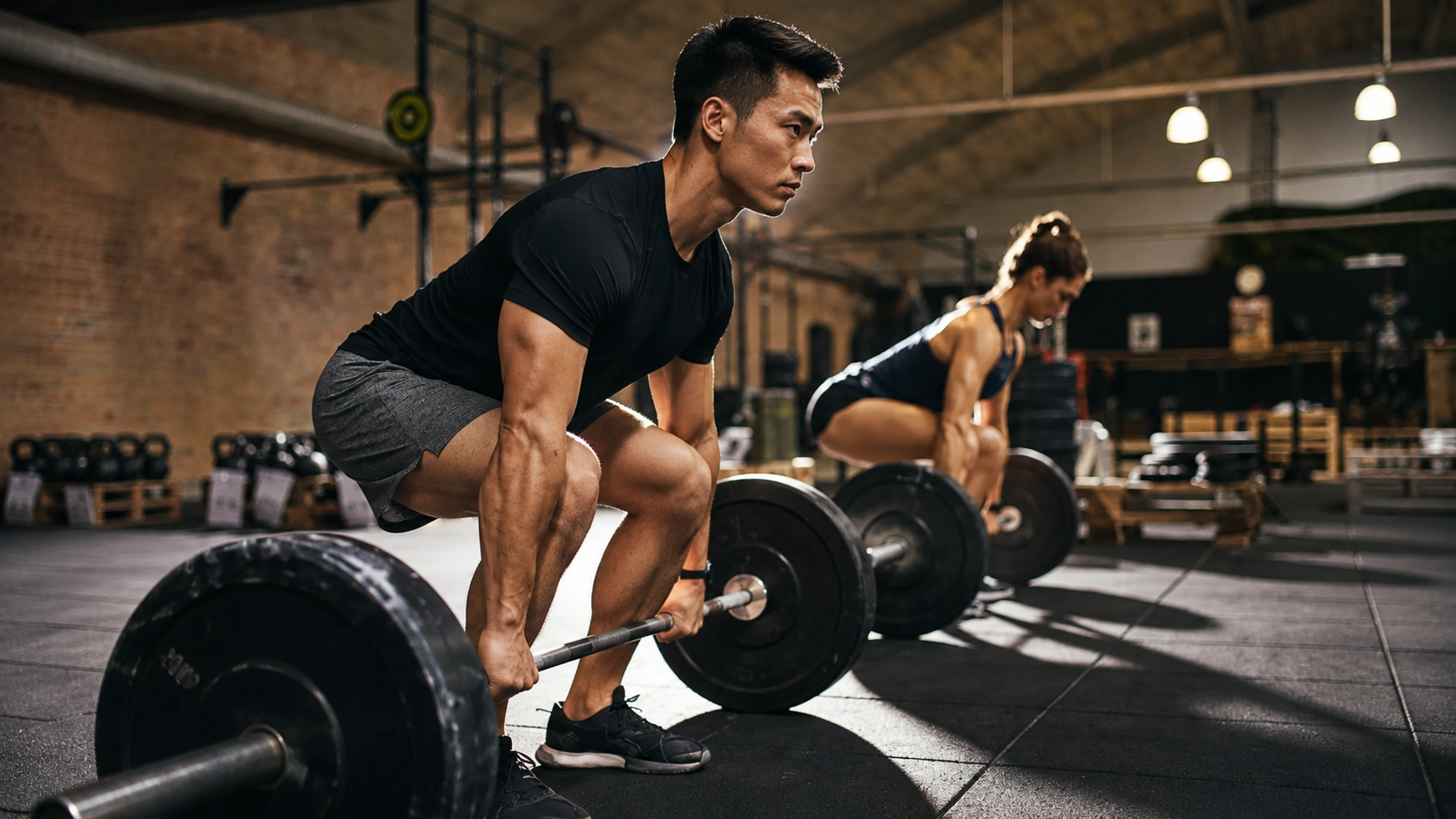
- Rounding the lower back: The most dangerous error by far. If your back rounds, the weight is too heavy or your brace is failing. Reduce the load.
- Hips rising before the bar: Turns the lift into a stiff-legged deadlift under a weight you chose for a conventional pull.
- Bar drifting away from the body: Increases leverage against your spine dramatically. Keep it against your legs.
Film yourself from the side every few sessions. It’s the only honest feedback available when you train alone, and it catches problems long before they cause pain. Starting with barbell lifts is far less intimidating when you focus on technique before load, which is exactly the right order.
Choose a Bar That Fits Your Situation
Deadlifts demand more from a bar than almost any other lift, since you’re loading it heavier than anything else you do.
Olympic bars are the standard choice because they handle serious weight and the rotating sleeves reduce strain on your grip. Our roundup of the best Olympic barbells under 200 dollars covers bars that handle real loads without premium pricing. If you’re weighing formats, our guide on Olympic vs standard barbells covers the trade-offs, and our roundup of the best standard barbells under 200 dollars covers the lighter option for tight spaces and moderate loads.
Trap bars deserve serious consideration for home lifters. The neutral grip and centered load put far less shear stress on the lower back, which makes them more forgiving to learn on and easier on the spine long term. Our roundup of the best trap bar barbells for deadlifts under 300 dollars covers options worth considering before a straight bar.
Specialty bars have their place once you’re progressing, and our list of the best cambered barbells for powerlifters from 200 to 300 dollars covers variations for accessory work. Our full barbells category compares specs across all formats.
Program It Sensibly
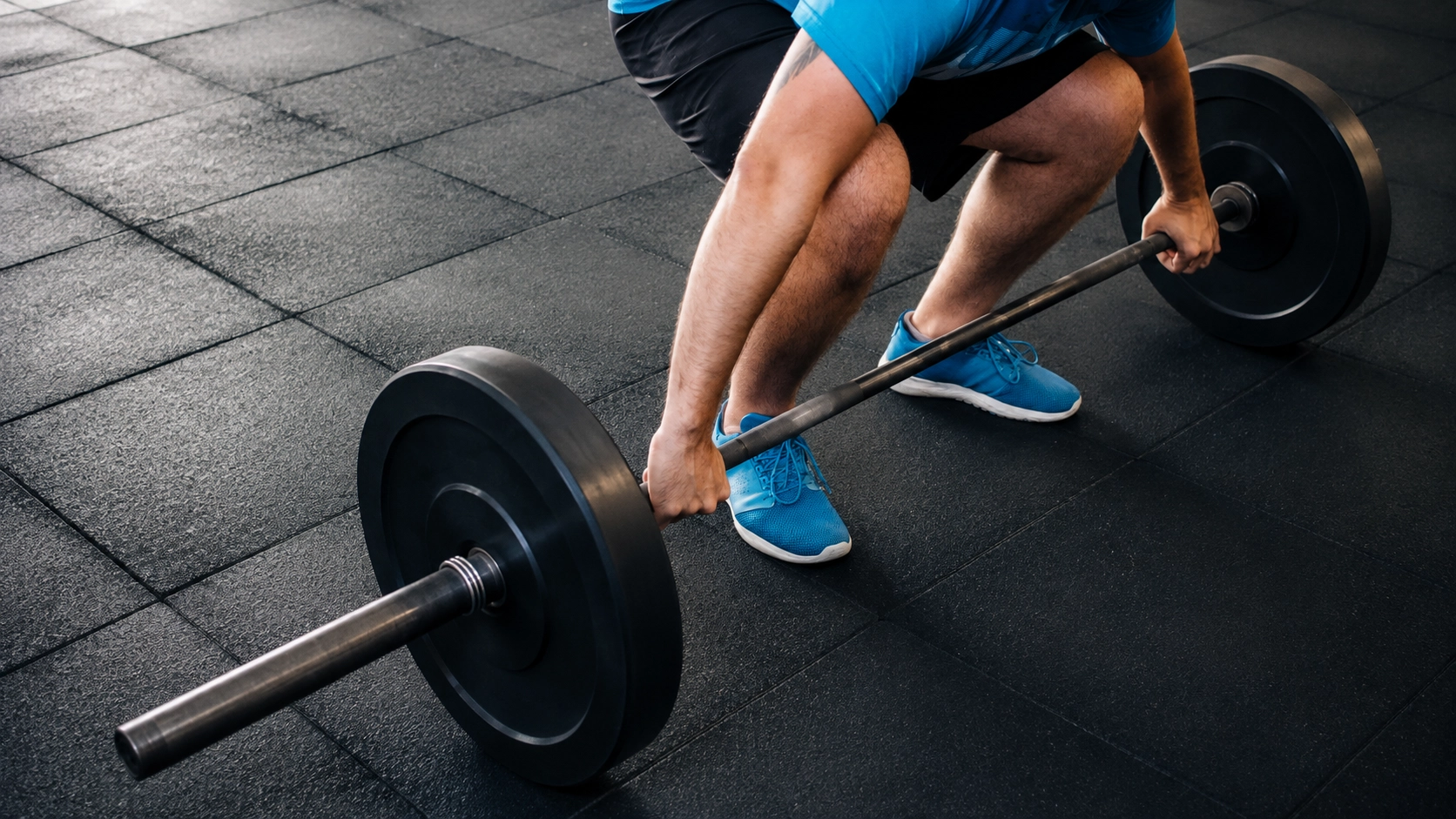
Deadlifts are demanding on your whole system, so more is not better. Once or twice a week is plenty, with 3 to 5 sets of 3 to 6 reps for strength or 3 sets of 6 to 8 for general training.
Add weight slowly. Five to ten pounds per week is sustainable and stacks up to serious numbers over a year. Our 1RM calculator helps you set working percentages without attempting a max alone, which is not something to attempt without a spotter.
On days you’re not deadlifting, dumbbell work covers the rest of your training well. Our dumbbell-only full-body workout plan includes Romanian deadlifts that reinforce the same hip hinge pattern with less spinal load.
Spend your first month lighter than feels necessary, filming every session and fixing the setup rather than chasing weight. Deadlifts reward patience and punish ego with remarkable consistency.

Write Your Review
No reviews yet. Be the first to share your experience!