
Waking up the day after a great workout barely able to walk to the coffee machine is a rite of passage, but it doesn’t have to be your default. Muscle soreness is your body’s way of adapting to stress, but too much of it slows your progress and kills your motivation. With the right habits before, during, and after your gym home sessions, you can train hard, recover fast, and skip the walking-like-a-cowboy phase entirely.
What Actually Causes Muscle Soreness
The soreness that shows up 24 to 48 hours after training is called delayed onset muscle soreness, or DOMS. It happens when your muscles experience microscopic damage from resistance training or unfamiliar movements. According to the Cleveland Clinic’s overview of muscle pain, this type of soreness is normal and typically resolves within a few days without treatment.
The problem is when soreness becomes so intense it disrupts your training schedule. That’s usually a sign of poor recovery habits, not tough workouts. The fix isn’t training less; it’s training smarter and taking recovery seriously.

Warm Up Properly Before Every Session
Skipping your warmup is like starting a car in winter and immediately merging onto the highway. Your muscles need blood flow, joint mobility, and neurological activation before heavy work. A proper warmup takes 5 to 10 minutes and dramatically reduces post-workout soreness.
Start with light cardio to raise your core temperature. If you own a treadmill from our list of the best high-performance NordicTrack treadmill machines, a brisk 5-minute walk at a slight incline works perfectly. Follow with dynamic stretches targeting the muscles you’ll train. Save static stretching for after your workout, since holding stretches before lifting can actually reduce power output.
Track your intensity using our heart rate calculator to make sure you’re warming up without overdoing it. You want your heart rate elevated but not maxed before you touch a barbell.
Hydrate and Fuel Your Workouts
Dehydration makes soreness worse. Water carries nutrients to muscles and flushes out metabolic waste that contributes to inflammation. Aim to drink water consistently throughout the day, not just during your workout. Our water intake calculator gives you a personalized daily target based on your body weight and activity level.
Fuel matters too. Training hard without eating enough leaves your muscles unable to repair themselves properly. Eat a balanced meal with protein and carbs 1 to 2 hours before your gym home session, and refuel within an hour after. Protein supports muscle repair, and carbs replenish glycogen stores. Use our calories burned calculator to understand how much energy your workouts actually cost, so you can eat enough to support recovery without overshooting.
Cool Down and Stretch After Training
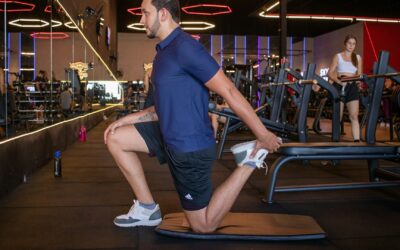
Never end a workout by immediately collapsing onto the couch. A 5 to 10 minute cooldown helps clear waste products from your muscles and eases the transition back to resting. Light walking, easy pedaling on a bike, or gentle bodyweight movements do the trick.
Follow your cooldown with static stretching. Hold each stretch for 20 to 30 seconds, targeting the muscles you worked hardest. Don’t force anything; stretching should feel like relief, not punishment. Add foam rolling to release tight fascia and improve circulation to sore areas. Ten minutes of consistent post-workout mobility work saves you days of stiffness.

Use Recovery Tools and Techniques
Beyond stretching, several proven techniques speed up muscle recovery. Research on delayed onset muscle soreness treatment strategies shows that active recovery, massage, and adequate sleep are among the most effective methods.
- Active recovery: Light movement on off days keeps blood flowing to sore muscles. Walking, easy cycling, or yoga work great.
- Sleep: Aim for 7 to 9 hours per night. Growth hormone peaks during deep sleep, driving most of your recovery.
- Contrast therapy: Alternating hot and cold showers or baths can reduce inflammation and speed recovery.
- Massage tools: Foam rollers, massage guns, and lacrosse balls target trigger points and reduce muscle tension.
Consistency across these habits matters more than perfection in any single one. Sleep and hydration alone will do more for recovery than any fancy gadget.
Build Gradually and Listen to Your Body
Most severe soreness comes from doing too much too fast. Whether you’re returning after a break or trying a new program, ramp up volume and intensity gradually. Add small increments each week rather than jumping straight to your max.
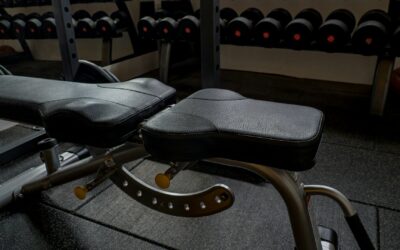
Investing in quality equipment also helps you train safely and progress steadily. A stable, well-built bench like those in our list of the best Titan Fitness weight benches for heavy lifters supports proper form under load, which reduces unnecessary muscle strain. For more structured programming and technique tips, browse our training guides category for workout structures that balance stimulus and recovery.
Muscle soreness is part of the game, but it shouldn’t be the whole game. Warm up right, hydrate well, cool down properly, and give your body the sleep and food it needs. Do those consistently, and you’ll spend less time wincing and more time actually training.




Write Your Review
No reviews yet. Be the first to share your experience!