

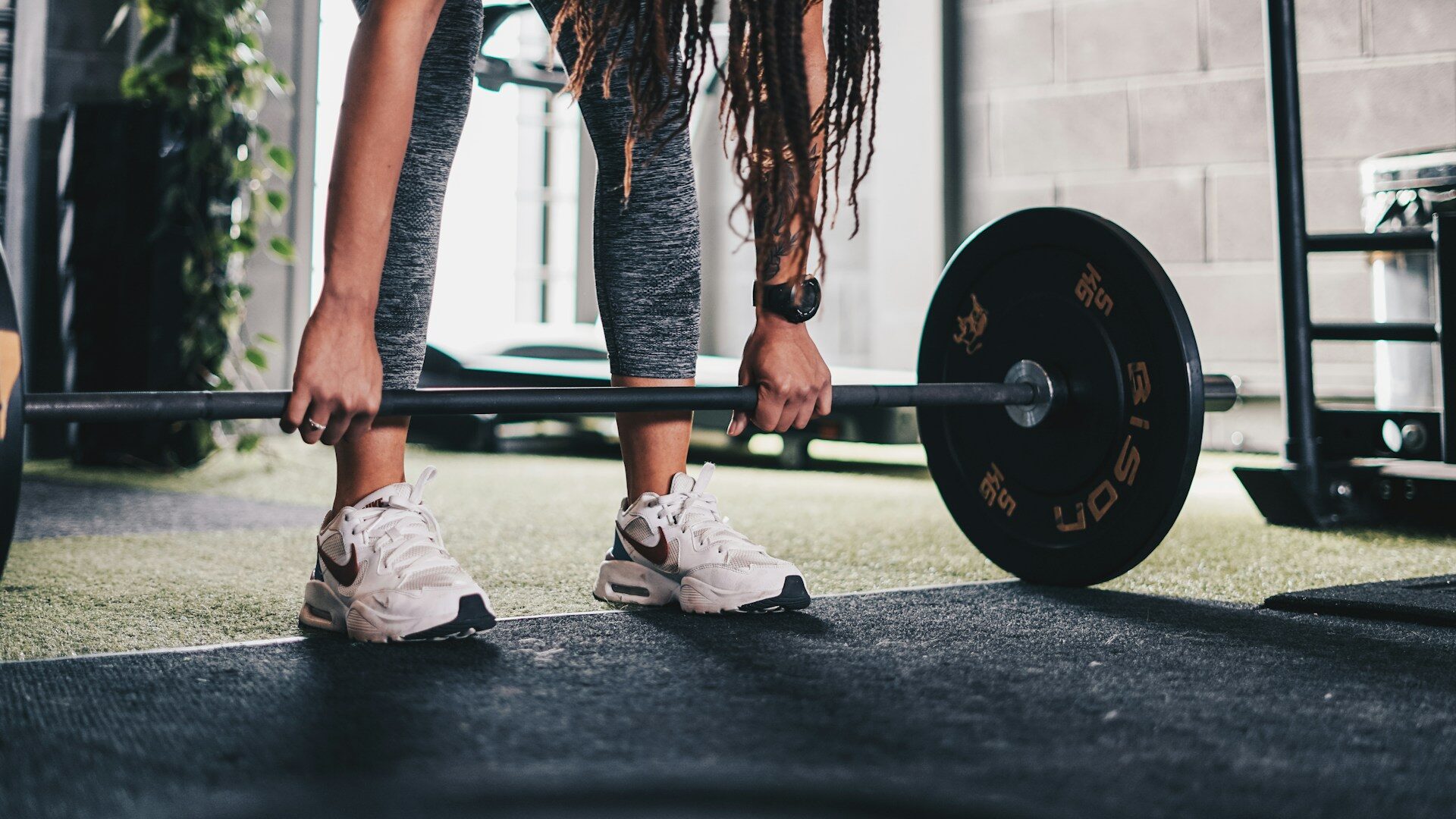
Deadlifts and squats are two of the best strength builders you can do at home. They also put real load on your lower back, which is why so many lifters worry about getting hurt. The good news is that most lower back problems in the gym come from a short list of habits: poor bracing, rushed setup, jumping in weight too fast and skipping recovery.
Fix those, and your back becomes one of the strongest parts of your body rather than the weak link.
Learn to Brace Before Every Rep
Bracing means creating pressure in your midsection so your spine stays stable under load. Take a deep breath into your belly and sides, not your chest, then tighten your abs as if someone were about to poke your stomach. Hold that tension through the hardest part of the rep and breathe again at the top.
A lifting belt can help you feel this pressure, but it is a tool for heavy sets, not a replacement for learning to brace without one.
Set Up the Same Way Every Time
Many back tweaks happen on the first inch of the lift because the setup was sloppy. Build a routine and repeat it on every set.
- Deadlift: bar over midfoot, shins close, hips set so your back is flat, then pull the slack out of the bar before it leaves the floor.
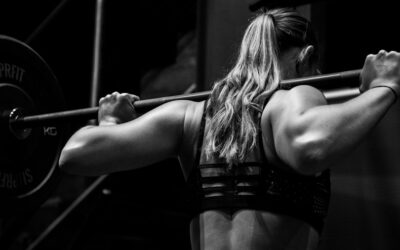
- Squat: bar placed securely on your upper back, feet set, brace, then walk out in as few steps as possible.
- Both: eyes forward or slightly down, and no jerking the weight off the floor or out of the hole.
Our guide on how to perform a barbell deadlift correctly at home walks through the full setup step by step.
Common Mistakes That Strain the Lower Back
| Mistake | What Happens | Simple Fix |
|---|---|---|
| Rounding under heavy load | Spine loses its stable position | Lower the weight and own the position |
| Hips shooting up first | Load shifts to the lower back | Push the floor away with your legs |
| Losing tension at the bottom | Spine relaxes at the weakest point | Keep the brace through the whole rep |
| Grinding sloppy reps when tired | Form breaks down late in a set | End the set one or two reps early |
Increase Weight Gradually
Your muscles adapt faster than your joints and connective tissue. Adding too much weight too quickly is one of the most common causes of back pain in newer lifters. Small, steady jumps over weeks build tolerance safely. If a weight feels heavy and your form starts to slip, stay there until it feels smooth before moving up.
Rotating heavy and lighter days also helps. Not every session needs to be a max effort.
Strengthen the Muscles That Support Your Spine
A strong back is protected by strong surrounding muscles. Accessory work like glute bridges, bird dogs, side planks and back extensions builds the support system that keeps your spine steady. Two or three short sets at the end of a session are enough to make a difference over time.
Recover Like It Matters
Sleep, daily movement and gentle mobility all help your back recover between heavy sessions. After a hard pull, light walking and easy stretching keep stiffness down. See our tips on recovering from a heavy deadlift session for a simple cool-down plan. Sharp pain, numbness or pain that travels down the leg is a reason to stop and see a medical professional.
Final Thoughts
Protecting your lower back on deadlifts and squats comes down to bracing well, setting up consistently, adding weight patiently and supporting your spine with accessory work and recovery. These habits take only a few extra minutes and let you keep lifting heavy for years.
FAQs
Should I wear a belt for deadlifts and squats?
A belt can help on heavy sets, but learn to brace without one first. It adds support, not skill.
Is lower back soreness after deadlifts normal?
Mild muscle soreness can be normal. Sharp pain, numbness or pain down the leg is not, and needs medical attention.
How fast should I add weight?
Small, steady jumps work best. Only move up when your current weight feels smooth and controlled.
Which exercises protect the lower back?
Glute bridges, bird dogs, side planks and back extensions are great choices. They strengthen the muscles that stabilize your spine.




Write Your Review
No reviews yet. Be the first to share your experience!