
The last set is done, the bar is racked, and every instinct says walk away. That’s exactly the moment most gym home lifters skip the one part of training that costs nothing and pays back immediately. A ten-minute cool-down keeps you mobile, reduces next-day stiffness, and gets your body out of fight-or-flight mode before you sit down to dinner.
Why Cool-Downs Matter More Than People Think
During heavy lifting, your heart rate climbs, blood pools in working muscles, and your nervous system stays in a heightened state. Stopping abruptly leaves all of that unresolved. A gradual cool-down brings your heart rate down steadily, helps clear metabolic byproducts, and signals your body to shift into recovery.
Stretching afterward is where the mobility gains happen. Muscles are warm, tissue is pliable, and joints have already moved through their range. Harvard Health recommends stretching when muscles are warm rather than cold, which makes post-training the ideal window. Stretching a cold muscle before lifting can actually reduce power output.
Start With Three to Five Minutes of Easy Movement
Before you stretch anything, bring your heart rate down gradually. Walking around the room works fine, but low-resistance cardio is better because it keeps blood moving through the muscles you just trained.
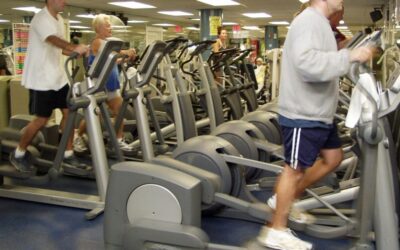
An elliptical is ideal here since the motion is smooth and involves both upper and lower body without any impact on already-fatigued joints. Models like those in our review of the best Niceday elliptical machines for gym home use work well for easy cool-down sessions. An exercise bike at minimal resistance is equally effective, and options from our roundup of the best exercise bikes with app connectivity under 500 dollars make it easy to spin out three quiet minutes.
You want your breathing back under control before you start stretching. Use our heart rate calculator to find your resting and recovery zones, then aim to get back toward the lower end before moving to the floor.
The Core Cool-Down Stretch Sequence
Hold each stretch for 20 to 30 seconds per side, breathing normally. Never bounce, and never push into sharp pain. Mild tension is the target.
- Standing quad stretch: Pull one heel toward your glute, keeping knees together and hips square. Essential after squats or leg press.
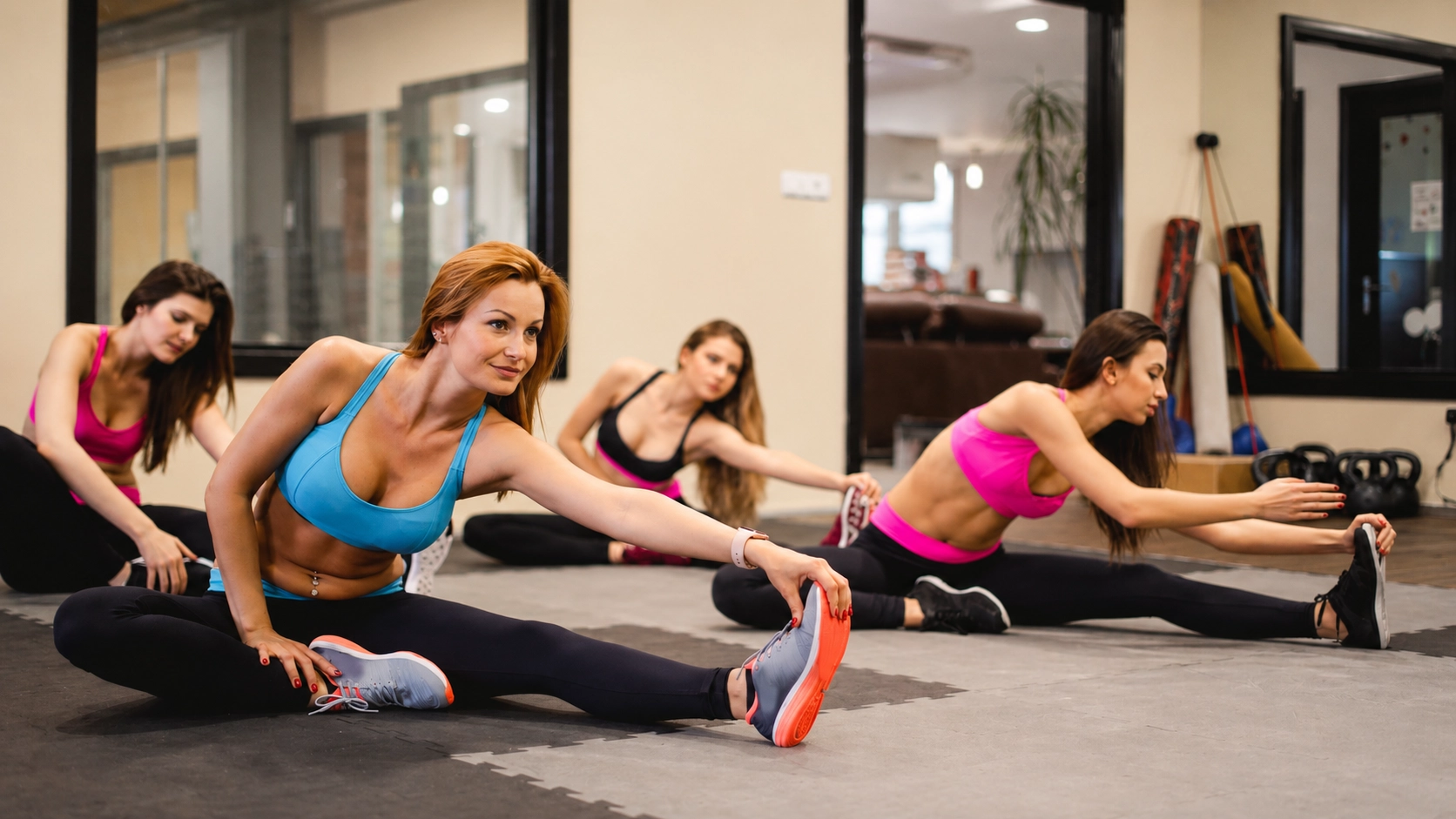
- Seated hamstring stretch: Sit with one leg extended, reach toward the toes with a flat back. Hinge from the hips, not the spine.
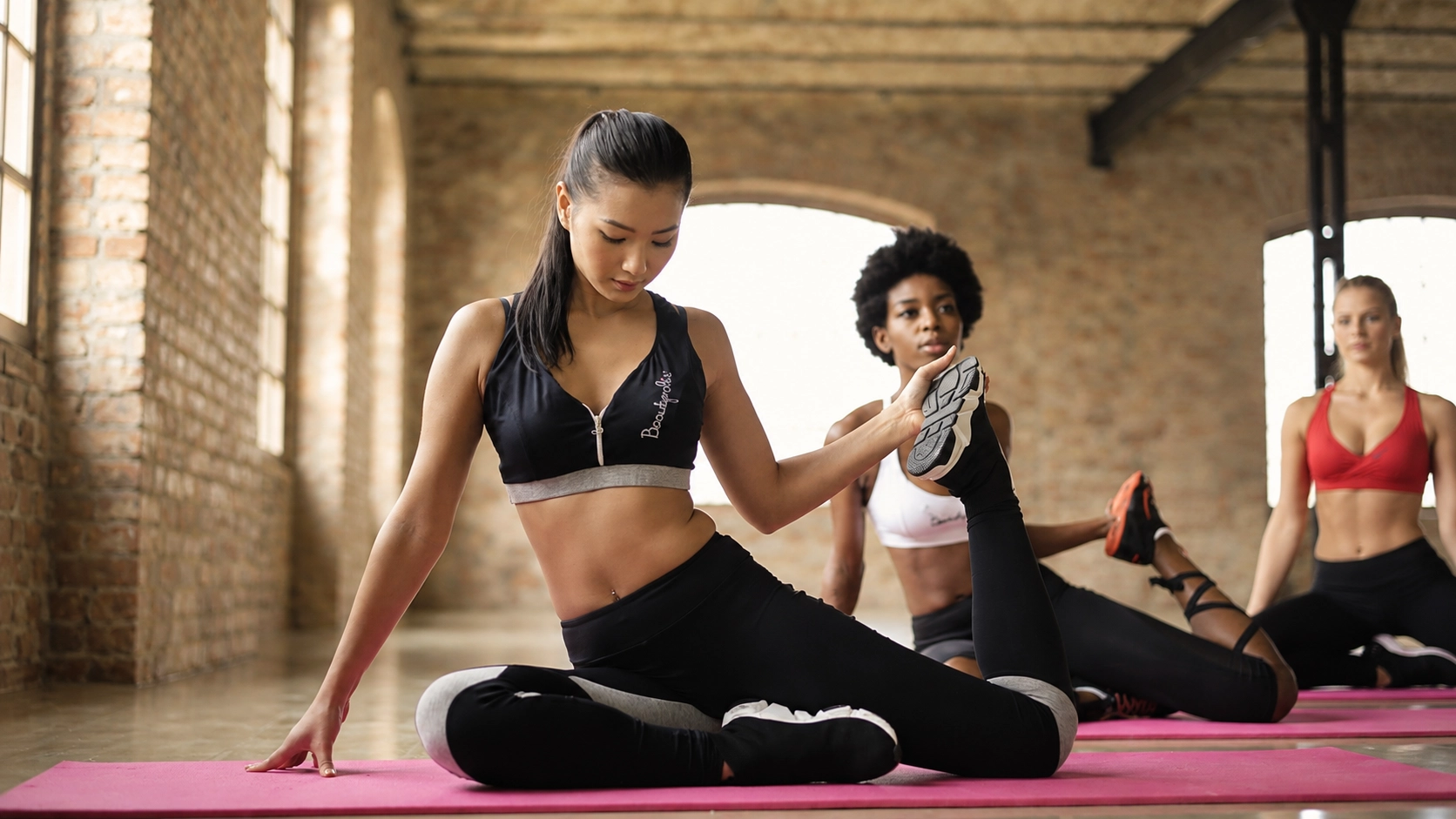
- Figure-four glute stretch: Lying on your back, cross one ankle over the opposite knee and pull that knee toward your chest.
- Hip flexor lunge stretch: Half-kneeling, push the hips forward gently. Counteracts both sitting and heavy hinging.
- Doorway chest stretch: Forearm on a door frame at shoulder height, rotate away. Critical after bench pressing.
- Cross-body shoulder stretch: Pull one arm across the chest with the opposite hand. Keep the shoulder down, not shrugged.
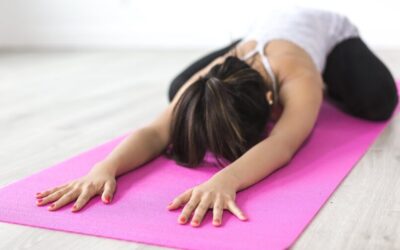
- Child’s pose: Kneel and reach forward, letting the spine decompress. A good closer after any heavy session.
Seven stretches at 25 seconds per side takes about six minutes. That’s the whole routine.
Match Your Stretches to What You Trained
You don’t need all seven every session. Prioritize the muscles that did the most work.
- After lower body: Quads, hamstrings, glutes, hip flexors, calves.
- After upper body pushing: Chest, front delts, triceps, lats for balance.
- After upper body pulling: Lats, biceps, rear delts, upper back.
- After full body: Pick one stretch per major muscle group and finish with child’s pose.
If you train in short high-intensity blocks, the cool-down matters even more since the session compresses a lot of work into little time. Our guide to 30-minute high-intensity home lifting routines pairs well with a focused five-minute stretch finish.
Support Recovery Beyond Stretching
Stretching is one piece of recovery, not the whole thing. Daily stretching improves flexibility and range of motion over time, but it works best alongside sleep, protein intake, and hydration.
Rehydrate as soon as you finish. Fluid loss during heavy training affects recovery more than most lifters realize, and our water intake calculator gives you a personalized daily target based on body weight and activity. Add foam rolling on particularly tight areas, and prioritize sleep on heavy training days.
For a fuller picture of managing next-day stiffness, our guide on how to prevent muscle soreness after a gym home workout covers warmups, nutrition, and recovery tools. More structured programming lives in our training guides category.
Ten minutes at the end of a session is the cheapest insurance in strength training. Ease your heart rate down, stretch what you actually worked, drink water, and get on with your day. Your future self, reaching for something on a high shelf, will notice the difference.



Write Your Review
No reviews yet. Be the first to share your experience!