

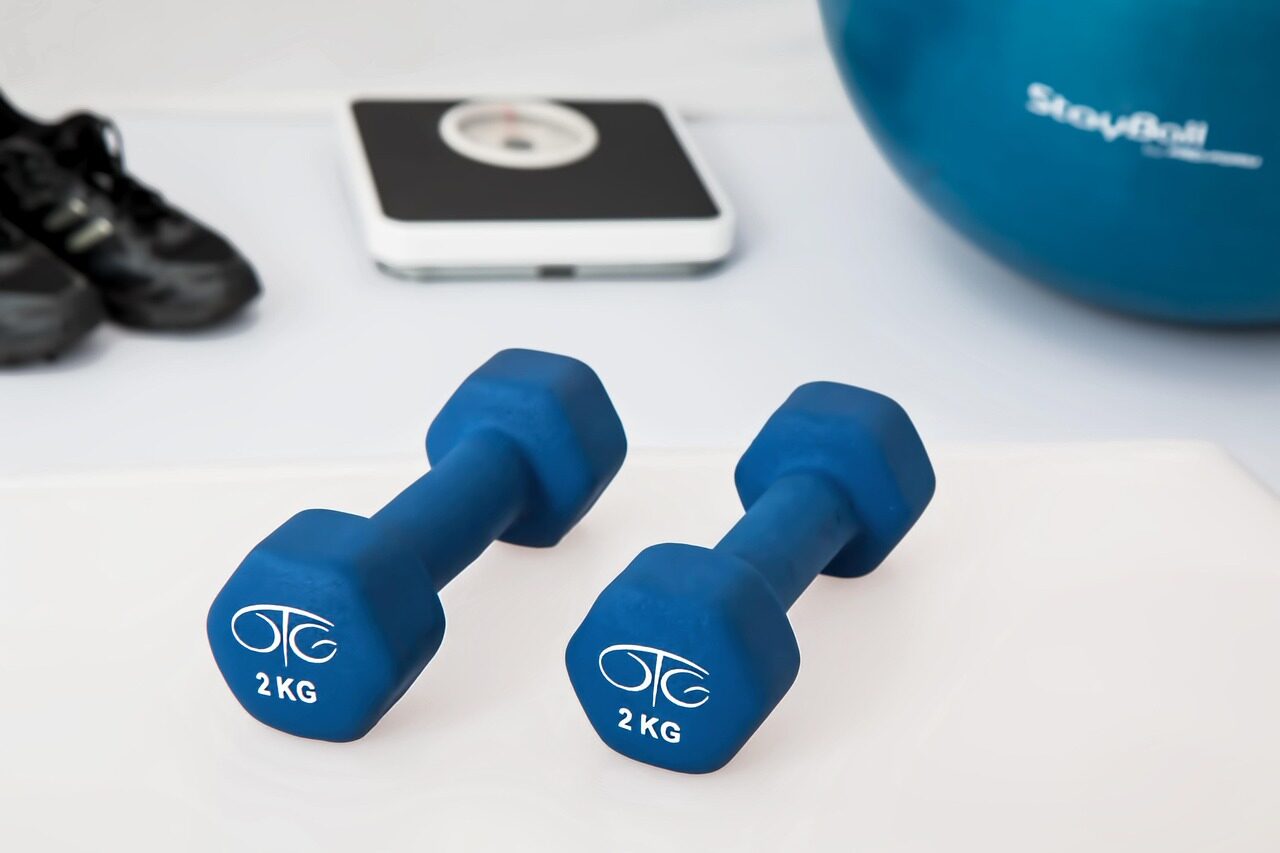
Many people picture a home gym as a room packed with machines. In reality, some of the most effective home gyms are surprisingly simple. A few versatile pieces, chosen carefully and arranged well, can cover strength, conditioning and mobility without crowding your space or your schedule.
A minimalist setup is also easier to keep clean, easier to maintain and more inviting to use every day.
Start With Your Training Goals
Minimalism starts with a clear purpose. Write down what you actually want from your training, such as getting stronger, improving cardio or staying mobile. Every piece of equipment should earn its spot by supporting at least one of those goals. If an item only does one thing you rarely train, it probably does not belong in a minimalist gym.
The Core Pieces That Cover Almost Everything
A small number of tools can handle a huge range of exercises.
| Piece | What It Covers | Why It Fits a Minimalist Gym |
|---|---|---|
| Adjustable dumbbells | Presses, rows, lunges, curls | Replaces a full dumbbell rack |
| Adjustable bench | Flat, incline and seated work | Adds dozens of exercise options |
| Kettlebell | Swings, squats, carries, conditioning | Strength and cardio in one tool |
| Resistance bands | Warm-ups, assistance, mobility | Light, cheap and easy to store |
| Pull-up bar | Pull-ups, hanging core work | Big back and grip benefits in little space |
If you want heavier barbell training, a compact rack can be added later. Our bench and rack combo layout shows how to fit one without losing floor space.
Keep the Floor Clear
An open floor is what makes a minimalist gym feel calm and usable. Store gear on walls, shelves or a single rack instead of leaving it scattered. Vertical storage keeps everything visible and easy to grab. For ideas, see our guide to vertical storage solutions.
Protective flooring under your main training area is still worth it, even in a small space. It protects both the floor and your equipment.
Choose a Simple, Calm Look
Minimalist design is as much about how the space feels as what is in it. Neutral walls, good lighting and one or two finishes create a clean look that does not distract you. A single mirror helps with form and makes the room feel larger. Skip clutter like extra posters or unused accessories, and keep only what you use every week.
Plan Workouts Around Fewer Tools
With fewer pieces, you get more creative. Combine moves into circuits, change tempo to make light weights feel harder and use unilateral exercises like split squats and single-arm rows to add challenge. A simple weekly plan might rotate full-body strength days with kettlebell conditioning and a short mobility session.
- Two or three full-body strength sessions with dumbbells and the bench
- One or two conditioning sessions with the kettlebell
- Short daily mobility work with bands
Final Thoughts
A minimalist home gym works because every item has a clear job. Pick versatile tools, store them neatly, keep the floor open and design the space to feel calm. You will spend less time setting up and more time training. Browse more layouts in our gym design guides.
FAQs
What is the minimum equipment for a home gym?
Adjustable dumbbells, a bench and resistance bands cover most needs. A kettlebell and pull-up bar round out the setup.
Can a minimalist gym build real strength?
Yes, it can. Progressive overload with dumbbells, kettlebells and bodyweight builds strength for most people.
How much space does a minimalist gym need?
A small open area of floor is often enough. Wall storage keeps the rest of the room clear.
Should I add a barbell to a minimalist gym?
Only if heavy barbell lifting is a main goal. Otherwise, dumbbells and kettlebells cover most training.




Write Your Review
No reviews yet. Be the first to share your experience!