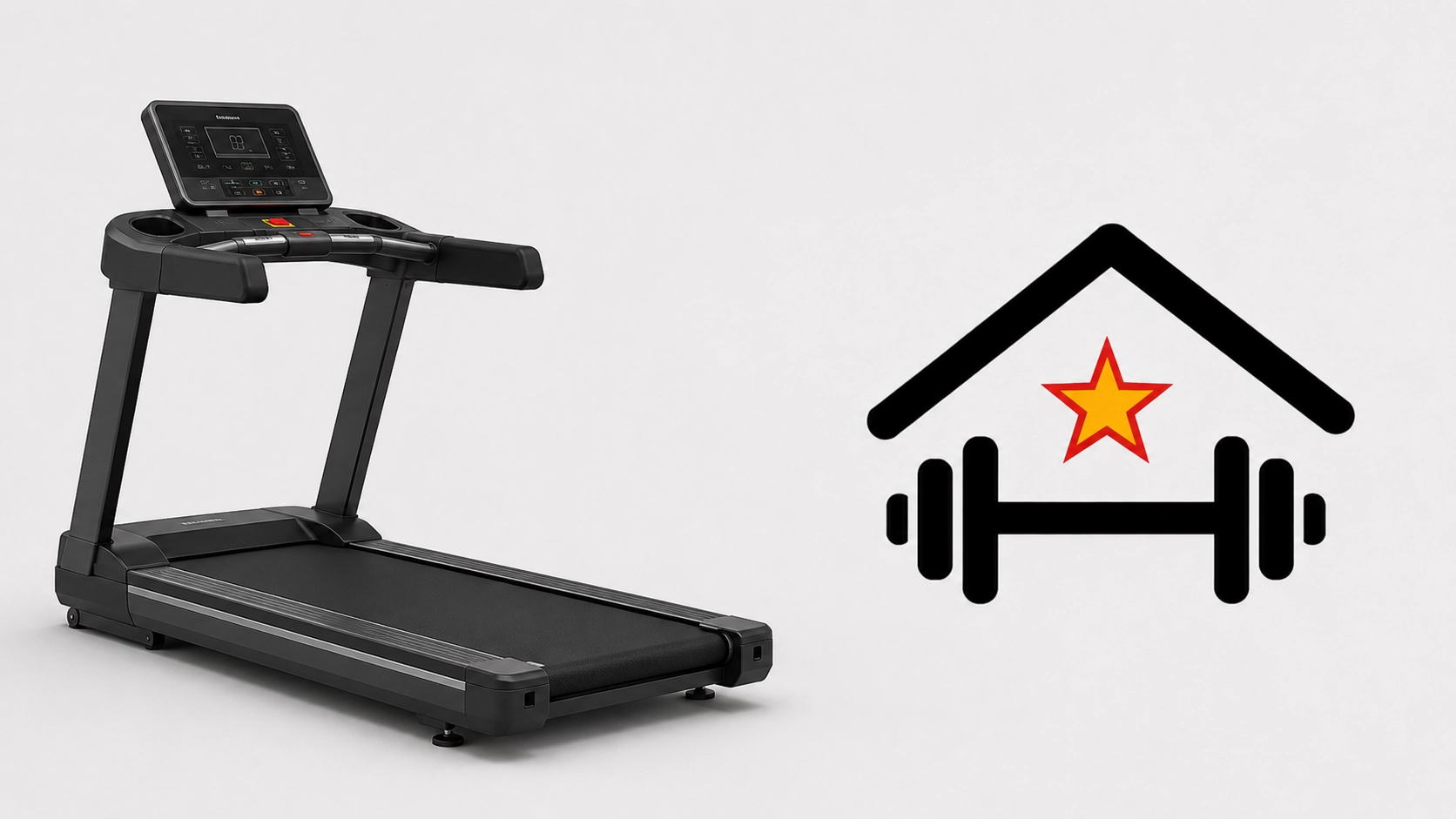
A treadmill is a motorized or manual moving belt that lets you walk or run in place. It is the most familiar cardio machine on the market and the easiest to pick up with no learning curve at all, which is exactly why it remains the single most popular piece of home cardio equipment sold.
Types of Treadmills
Motorized Treadmills
Motorized treadmills power the belt for you at a set speed and incline, making them the standard choice for structured running and interval training. Motor horsepower determines how well the machine holds a consistent pace under a runner’s full stride, especially at higher speeds.
Manual or Curved Treadmills
These rely entirely on your own stride to move the belt, which builds more effort per step and removes any motor noise entirely. They suit interval-style training well but take real effort to get moving from a stop.
Folding Treadmills
Folding treadmills trade some running surface for storage convenience, letting the deck fold up vertically when not in use. This is the most common choice for apartments and multi-purpose rooms.
Under-Desk Walking Pads
Built for slow, steady movement during the workday rather than running, walking pads are compact, quiet, and designed to sit under a standing desk rather than serve as a primary cardio machine.
Key Features to Look For
Motor horsepower matters more than most buyers realize, a motor rated for walking alone will strain and wear out faster if you regularly run on it. Belt size (both length and width) needs to comfortably fit your natural stride, a belt that is too short forces an unnatural, choppy gait. Cushioning and deck shock absorption directly affect joint impact over long-term use, and a stronger deck usually means a heavier, less portable machine.
Common Mistakes to Avoid
Buying based on top speed alone is a common mistake, since most home runners rarely use a treadmill’s highest speed setting, while motor durability and belt cushioning matter far more for daily use. Ignoring noise level is another frequent oversight, especially in apartments or homes with rooms below the workout space, since motor and footfall noise varies a lot between models even at similar price points.
Treadmills vs. Other Cardio Machines
Treadmills deliver the highest calorie burn per minute for most people compared to biking or elliptical training at a similar perceived effort, since running and even brisk walking are naturally higher-impact activities. The tradeoff is joint impact: treadmills put more stress on your knees, hips, and lower back than a rower, bike, or elliptical, which matters if you are managing joint pain or recovering from injury.
Budget Tiers to Expect
Basic folding treadmills for walking and light jogging start around $300 to $600. Mid-range models with stronger motors and better cushioning typically run $700 to $1,500. Commercial-grade treadmills built for daily heavy running and higher weight capacities often run $1,500 to $3,000 or more.
How to Use a Treadmill Safely
Warm up at an easy pace before increasing speed or incline, and once you are moving at a real pace, avoid gripping the handrails, since that throws off your natural running gait and posture. Always use the safety clip if your model has one, especially at higher speeds.
Who a Treadmill Is For
Runners and walkers who want weather-independent training year-round. Folding and under-desk models suit small apartments and anyone who wants low-intensity movement built into a work-from-home routine.
How to Choose a Treadmill
Check the motor’s horsepower against how you plan to train (running needs more than walking), confirm the belt size fits your stride length, and weigh noise level and folding mechanism if space or shared walls are a concern.
Treadmill Maintenance Basics
A treadmill has more moving parts than almost any other home cardio machine, which means it also needs the most upkeep. Lubricate the belt periodically per the manufacturer’s schedule, since a dry belt increases motor strain and wears out faster. Keep the area under and around the deck clear of dust and debris, and check belt alignment regularly, a belt that drifts to one side is usually an early warning sign rather than a cosmetic issue.
If you are tight on space but still want to run rather than just walk, prioritize belt length over almost every other spec, a short belt is the single biggest limiting factor for anyone with a longer running stride.
Explore Related Categories
If joint impact is a concern, compare a treadmill against an elliptical machine or exercise bike, both noticeably lower-impact options. To track your effort level accurately during runs, our Heart Rate Calculator and Calories Burned Calculator are useful companions.
Frequently Asked Questions
How much horsepower do I need for running?
Most home runners are well served by 2.5 to 3.5 continuous horsepower. Lower ratings are fine for walking only.
Are manual treadmills worth considering?
They suit interval training and users who want a lower-cost, motor-free option, but they demand more physical effort to operate than a motorized belt.
How much noise should I expect?
Motorized treadmills are consistently the loudest home cardio machine, especially at higher speeds. If shared walls are a concern, a bike or rower is meaningfully quieter.
Ready to compare specific models? Browse our full Treadmills reviews for current picks.