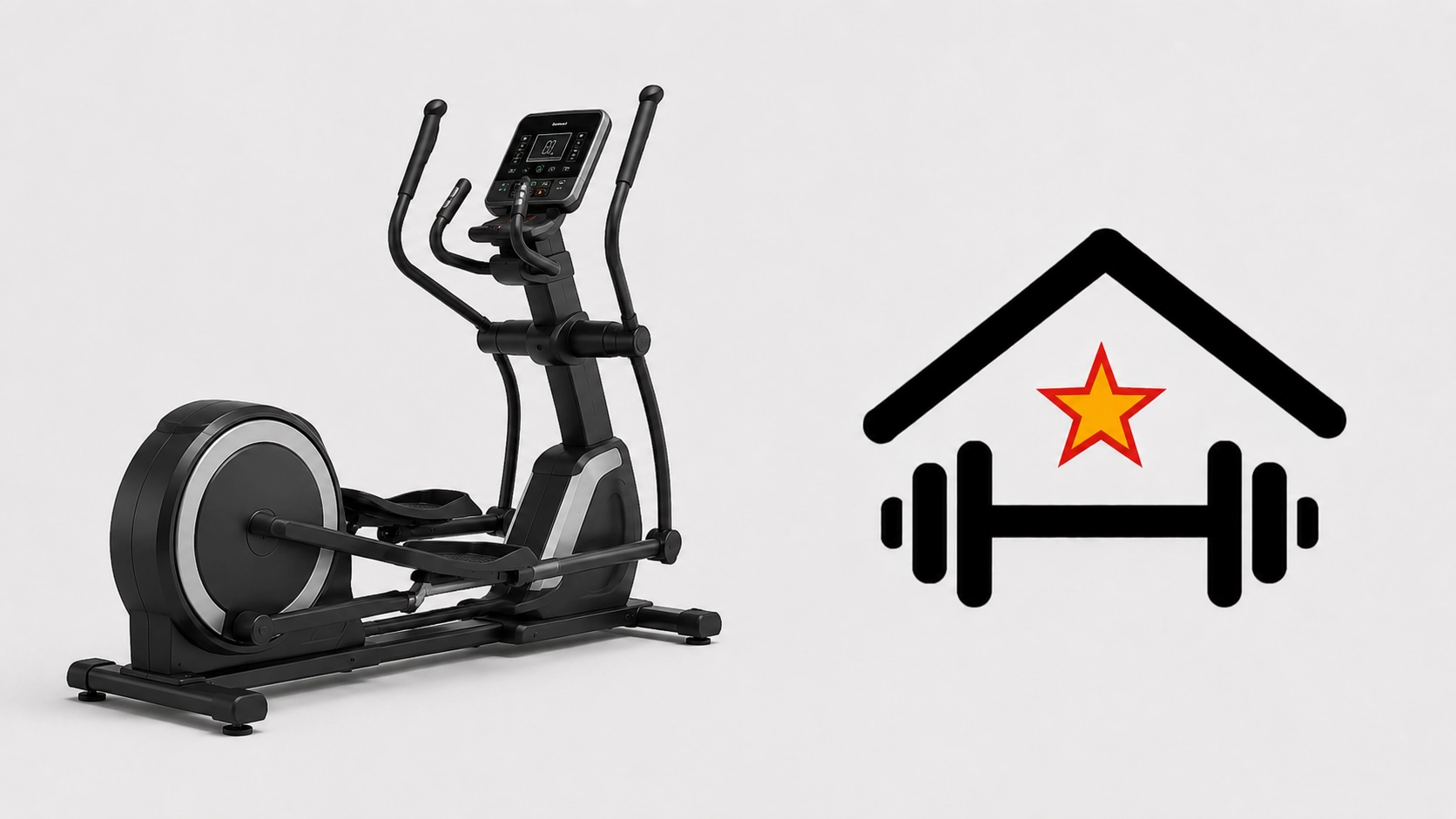
An elliptical machine combines a walking and cycling motion into one gliding, low-impact foot path, often paired with moving handles that add an upper-body component to the workout too. That combination makes it one of the more efficient cardio machines for working both the upper and lower body without any high-impact strain.
Types of Elliptical Machines
Front-Drive
Front-drive ellipticals place the flywheel in front of you for a more natural incline feel, though the stride path tends to feel slightly less smooth than rear-drive models.
Rear-Drive
Rear-drive ellipticals place the flywheel behind you for a smoother, longer stride, generally considered the more premium and natural-feeling drive type.
Center-Drive
Center-drive ellipticals are the most compact, with the flywheel positioned under you, trading some stride length for a noticeably smaller footprint.
Under-Desk Mini Ellipticals
These shrink the whole machine down for light movement while seated, built for continuous low-intensity use during the workday rather than a full workout.
Key Features to Look For
Stride length is the single most important spec, and it needs to match your height, a stride that is too short forces an unnatural, cramped motion regardless of how good the rest of the machine is. Resistance and incline range determine how much you can progress the intensity over time without needing a new machine. Moving handles add upper-body engagement, but fixed handles are more stable if you prefer to focus purely on the lower body.
Common Mistakes to Avoid
Buying a machine with too short a stride length for your height is the most common and hardest mistake to fix after purchase, since stride length is usually not adjustable. Pushing off your toes instead of keeping pressure balanced through your whole foot is a common form mistake that leads to forefoot strain during longer sessions.
Elliptical vs. Other Cardio Machines
Ellipticals split the difference between a treadmill’s calorie burn and a bike’s low impact, offering a genuinely joint-friendly workout that still burns a comparable number of calories to jogging for most users. The tradeoff is a larger footprint than most exercise bikes, and a steeper price for models with a smooth, natural stride feel.
Budget Tiers to Expect
Basic under-desk or compact ellipticals start around $150 to $350. Mid-range front-drive and center-drive models typically run $400 to $900. Premium rear-drive ellipticals with a long, natural stride and higher weight capacities often run $900 to $2,000 or more.
How to Use an Elliptical Correctly
Keep pressure balanced through your whole foot rather than pushing off your toes, which is a common cause of forefoot strain during longer sessions. Use the moving handles actively rather than just resting your hands on them if you want the upper-body benefit.
Who an Elliptical Is For
Anyone wanting a joint-friendly, calorie-burning cardio option that also engages the upper body through the moving handles, without the impact of running.
How to Choose an Elliptical
Stride length needs to match your height and the way you naturally walk, so check that spec before anything else. Then weigh drive type against your available footprint, and confirm the resistance levels give you enough range to progress over time.
Elliptical Maintenance Basics
Ellipticals have more moving joints and pivot points than most cardio machines, so periodic lubrication of the rail and pivot points matters more here than on a bike or rower. Listen for new squeaking or clicking sounds, they are usually an early sign a joint needs lubrication before it becomes a bigger mechanical issue.
If you are deciding between drive types purely on feel, try a front-drive and rear-drive model in person if at all possible, since the difference in stride smoothness is much easier to notice by using the machine than by reading a spec sheet.
Incline adjustment, available on many mid-range and premium ellipticals, changes which muscles bear more of the load during your stride, letting you shift emphasis between glutes, hamstrings, and calves without switching machines entirely.
Console and app connectivity matter more on ellipticals than most other cardio machines, since built-in workout programs and virtual routes are one of the more effective ways to keep sessions from feeling monotonous over time.
Explore Related Categories
Compare an elliptical against a treadmill for calorie burn or a rowing machine for a different full-body pattern. Our Calories Burned Calculator can help you compare expected effort across machine types.
Frequently Asked Questions
What stride length do I need?
As a general guide, taller users (over 6 feet) usually need 20 inches or more, while shorter users are often comfortable with 18 to 20 inches.
Do ellipticals really work the upper body?
Yes, when you actively push and pull the moving handles rather than just resting your hands on them.
Which drive type is quietest?
Rear-drive and center-drive ellipticals are generally quieter and smoother than front-drive models, though this varies by specific machine.
Ready to compare specific models? Browse our full Elliptical Machines reviews for current picks.