
An exercise bike lets you pedal against adjustable resistance while seated, taking most of the impact off your knees and hips compared to running or even walking on a treadmill. That low-impact profile makes it one of the most broadly recommended cardio machines across age groups and fitness levels.
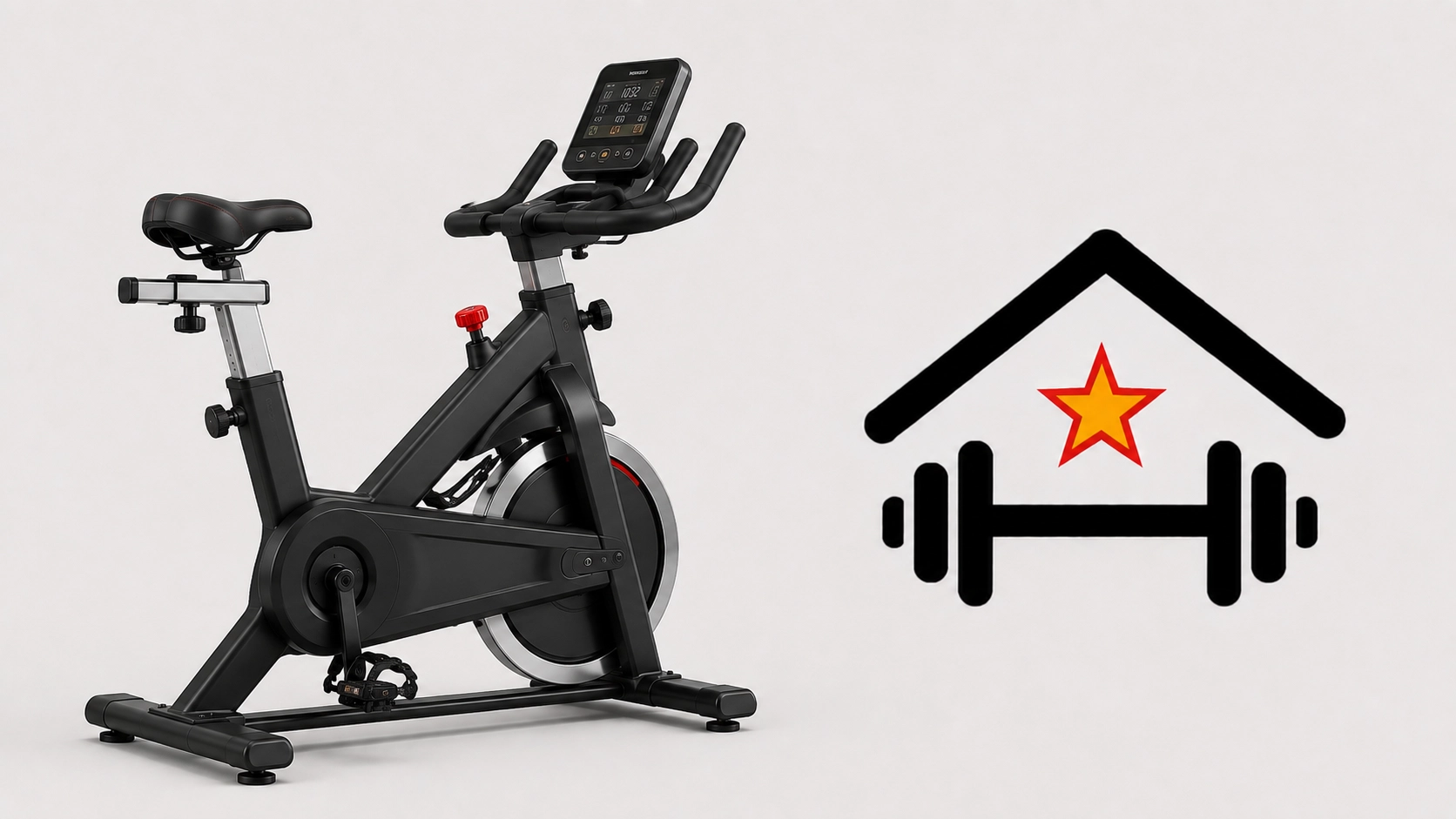
Types of Exercise Bikes
Upright Bikes
Upright bikes mirror a traditional bicycle riding position, engaging your core more than a recumbent seat while still staying low-impact on the joints.
Recumbent Bikes
Recumbent bikes use a reclined seat with back support, which is easier on the lower back and joints, making them a common choice for seniors and anyone in rehab.
Indoor Cycling or Spin Bikes
Built for high-intensity, standing-position workouts, spin bikes closely mimic a road bike’s feel and are the standard choice for structured cycling classes at home.
Under-Desk Mini Bikes
Compact enough to pedal while seated at a desk, these are built for light, continuous movement during the workday rather than a dedicated cardio session.
Key Features to Look For
Resistance type affects both noise and feel, magnetic resistance is the quietest and most consistent, while friction-based resistance is cheaper but wears down faster. Seat comfort and adjustability matter enormously on a bike, since an uncomfortable seat is the single most common reason people stop using an exercise bike regularly. Flywheel weight affects how smooth the pedal stroke feels, heavier flywheels generally feel smoother, especially on spin-style bikes.
Common Mistakes to Avoid
Setting the seat height incorrectly is extremely common and directly causes knee strain over time. Another frequent mistake is choosing a bike style based on price alone rather than seating position, a spin bike bought for comfort reasons when a recumbent model would have suited joint concerns much better is a common and avoidable regret.
Exercise Bikes vs. Other Cardio Machines
Exercise bikes are generally the quietest and most compact cardio option, especially recumbent and under-desk models, making them the strongest choice for apartments and shared walls. The tradeoff is a lower overall calorie burn per minute compared to running or rowing at a similar perceived effort, since cycling is inherently lower-impact.
Budget Tiers to Expect
Basic upright or under-desk bikes start around $150 to $300. Mid-range recumbent and spin bikes with better resistance systems typically run $300 to $700. Premium connected spin bikes with app integration and higher-end components often run $700 to $2,000 or more.
How to Use an Exercise Bike Correctly
Set your seat height so your knee has only a slight bend at the bottom of the pedal stroke. Too low a seat puts unnecessary strain on your knees over a long session.
Who an Exercise Bike Is For
Anyone managing joint pain or looking for a lower-impact cardio option. Recumbent bikes in particular suit seniors and anyone in rehab or recovering from injury.
How to Choose an Exercise Bike
Decide between upright and recumbent seating based on comfort and your training goals, favor magnetic resistance if quiet operation matters, and check the footprint against your available space.
Exercise Bike Maintenance Basics
Magnetic resistance bikes need almost no maintenance beyond occasional cleaning, since there is no physical friction pad wearing down over time. Friction-resistance bikes need the brake pad checked and eventually replaced as it wears, similar to a bicycle brake. Pedal straps or clips should be checked periodically too, since a loose strap becomes a safety issue during higher-intensity intervals.
If comfort is your main concern, look specifically at seat width and padding reviews before buying, since seat discomfort is the number one reason people stop using an exercise bike within the first few months.
Handlebar adjustability is worth checking too, especially on upright and spin bikes, since a fixed handlebar height that does not match your torso length can force an uncomfortable forward lean over longer rides.
Pedal type also varies by model, standard cage pedals fit any shoe, while clip-in pedals require compatible cycling shoes but give a more efficient, secure pedal stroke for serious riders.

Explore Related Categories
Compare a bike against a rowing machine or elliptical if you want a full-body alternative. Our Heart Rate Calculator helps you pace cycling sessions at the right intensity for your goals.
Frequently Asked Questions
Which is better for beginners, upright or recumbent?
Recumbent bikes are generally more comfortable and lower-impact for beginners, while upright bikes engage the core more and feel closer to outdoor cycling.
How do I know if my seat height is correct?
At the bottom of the pedal stroke, your knee should have a slight bend, roughly 25 to 35 degrees, not fully straight and not sharply bent.
Are spin bikes good for beginners?
They can be, but the upright, high-intensity riding position is more demanding than an upright or recumbent bike, so many beginners start elsewhere first.
Ready to compare specific models? Browse our full Exercise Bikes reviews for current picks.