

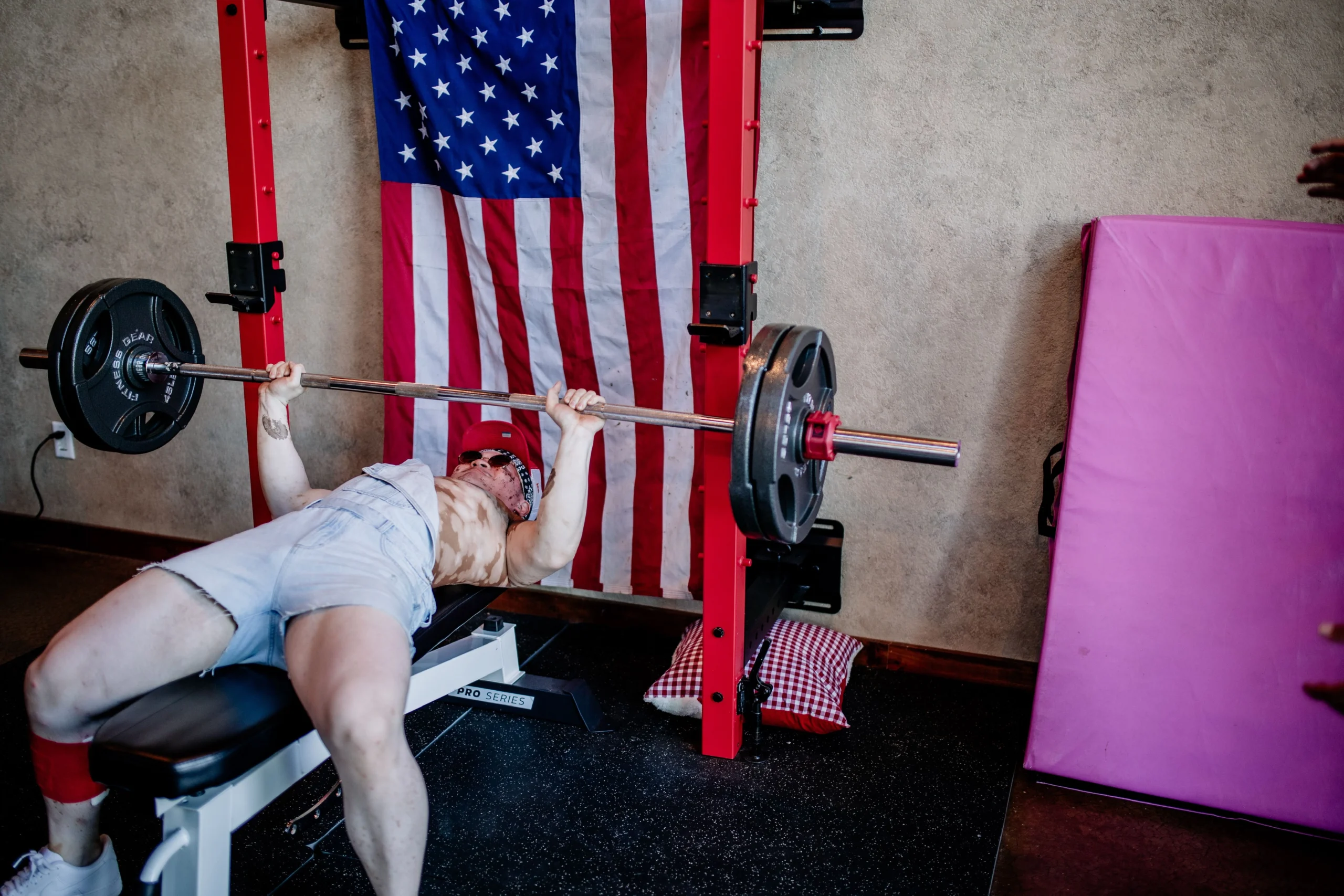
So, you have finally decided to pull the trigger on a permanent gym home. You are scanning premium 3×3-inch steel cages, dreaming of heavy late-night squats without a commercial membership. But then, you step into your basement with a tape measure, and reality hits hard. Your ceiling height is GMT-challenged, barely scraping 82 inches high.
Before adding that massive 90-inch commercial-grade cage to your cart, you need to look at vertical limits. Low ceilings are quietly the number one blueprint killer for high-end gym homes in North American suburbs. Here is why vertical clearance dictates your entire strength setup, and how to outsmart it without ruining your home’s equity.
The overhead crush: why inches matter.
The most obvious trap is the physical height of the Power Rack itself. Most standard, heavy-duty commercial cages stand anywhere from 84 to 95 inches tall. If you force a 90-inch rack into an 84-inch basement corner, basic structural assembly becomes completely impossible.
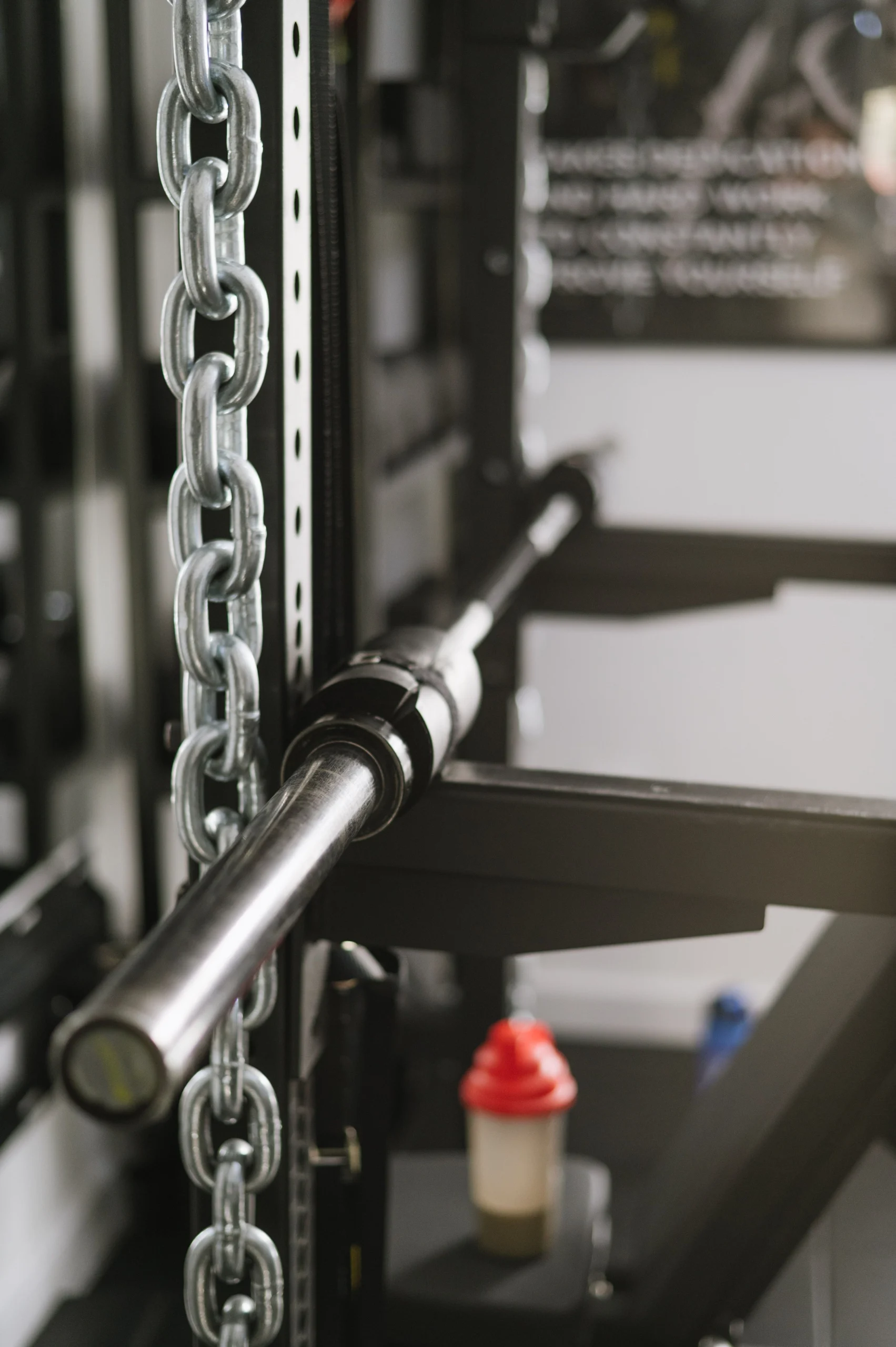
Dynamic head clearance is a critical element often highlighted in occupational safety and building design layout guides. According to spatial ergonomics data frequently evaluated by organizations like the National Institutes of Health (NIH), dynamic human movement requires predictable buffer zones to avoid acute impact trauma. If your rack technically clears the ceiling by an inch, what happens during an explosive pull-up? Your crown or nose meets the drywall at high velocity, causing a sudden, painful workout disaster.
Consider standard barbell overhead movements like military presses or push presses. Standard Olympic Barbells require a massive amount of overhead clearance for vertical lifting paths. A low ceiling instantly turns your favourite lifting bar into a ceiling-smashing liability, forcing you to alter your range of motion.
The hidden casualties of low vertical clearance.
It is not just your head that is at risk; your premium gym gear suffers too. Think about loading or unloading heavy iron or bumper plates onto the bar. You naturally tilt and lift the plates up during the loading process, requiring extra overhead real estate. In a low-clearance room, this routine results in chipped ceiling paint or shattered light fixtures.
Then come the rack attachments, which are the true crown jewels of modern cages. If you plan to add a lat pulldown attachment or a cable pulley system later, you need vertical room. High-end cable attachments often feature top-mounted pulleys extending well past the baseline frame height.
Don’t forget about your adjustable Benches. A premium bench can tilt into a high-incline or vertical military position for shoulder training. When paired with heavy Dumbbells, your vertical punching space vanishes completely. You end up restricting your training because you are terrified of hitting the floorboards upstairs.
Strategic pivots: how to outsmart a low ceiling.
If your dedicated room is vertically challenged, do not give up on the dream yet. You simply need to pivot your buying strategy from commercial specs to space-optimized residential setups. The fitness market has exploded with elite gear engineered specifically for shorter basements and tight garages.
Many premium manufacturers now build short-spec versions of their flagship Power Racks. Look for heavy-duty racks that cap out at 80 inches or even 72 inches. You get the exact same robust 11-gauge steel stability and accessory compatibility, just with shorter vertical uprights.
Another elite alternative is switching to a wall-mounted folding rack system. These units secure directly into your wall studs and fold completely flat when you finish training. They drastically open up the visual flow and headroom of a tight workout zone. You can also adjust your training methodology by performing seated overhead work on an incline Bench, or by utilizing heavy adjustable Dumbbells that allow for a lower center of gravity.
Build smart, lift heavy.
Your gym home is a major investment in your physical health and property value. Do not let vertical constraints discourage you; let them refine your structural blueprint. Measure three times, buy the right short-spec rack once, and build your perfect fortress.
Are you currently dealing with a tight suburban garage or basement gym setup? Check out our definitive, head-to-head review of the Best Power Racks to find your perfect fit. We cover top-tier options designed to save your drywall, protect your premium gear, and keep your skull safe.







Write Your Review
No reviews yet. Be the first to share your experience!